
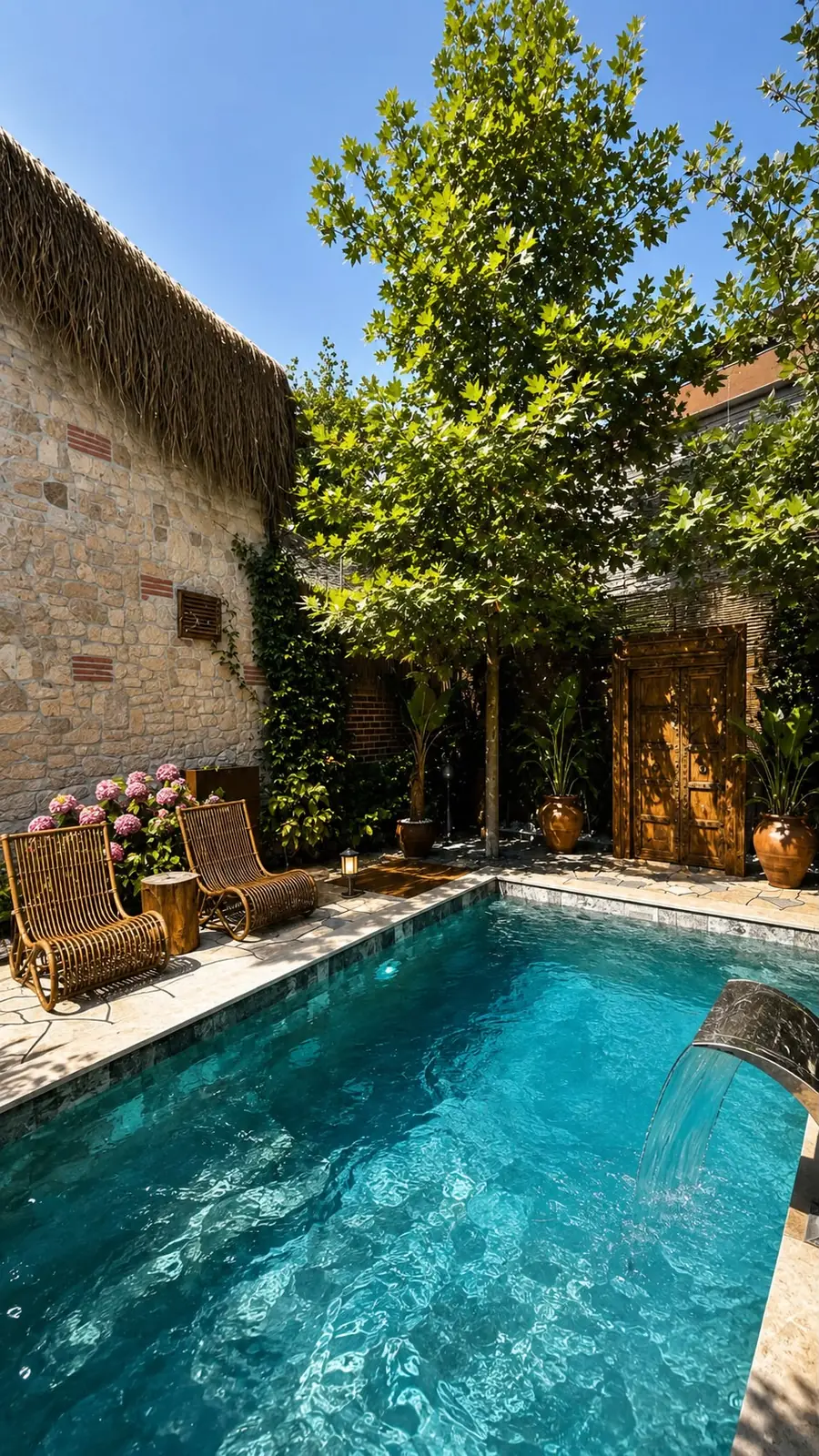
Water safety cannot be judged by appearance alone. Base treatment on reliable testing, pool volume and product instructions, and use qualified help for electrical or equipment faults.
Identify the type of cloudiness first
Milky water, a green tint, fine floor sediment and an oily surface film are different problems. Record colour, smell, slippery walls, floor visibility and when the change began.
If the floor is not clearly visible, keep the pool closed. This is important for both water quality and swimmer rescue safety.
Check filtration time and filter condition
Short run time, a dirty filter, an incorrect valve position or undersized capacity can leave fine particles suspended. Compare current pressure with the known clean-filter pressure.
High pressure can indicate cleaning is needed, while unusually low pressure may point to restricted supply or pump issues. Extending run time alone will not repair an unhealthy filter system.
Look for circulation dead zones
Return direction, water level, skimmer draw and debris in the pump basket all influence movement. Steps, ladder recesses and shaped corners often receive weaker circulation.
Observe both surface movement and floor deposits before adjusting returns. Air noise at the pump or bubbles from returns may indicate an issue on the suction side.
Use a reliable water test
Incorrect pH can reduce sanitation efficiency and affect mineral behaviour. Assess the key parameters required by the installed system together rather than reacting to a single number.
Test-strip age, reagent storage and probe calibration affect accuracy. Confirming a doubtful result with another method is safer and cheaper than treating from bad data.
Account for weather and organic load
Heavy bather use, sunscreen, rain, pollen, dust and leaves add demand. In the green surroundings of Sapanca and Kartepe, pollen periods can substantially increase basket and filter load.
After heavy rain, reassess level, overflow, pressure and test results instead of automatically adding more product.
Avoid sudden or incompatible chemical treatment
Overdosing, poor sequence or direct mixing can increase cloudiness and create dangerous reactions. Apply every product separately according to its label and allow the required circulation time.
Clarifiers and flocculants are not used in the same way with every filter or problem. They offer only temporary help if the underlying filtration or balance issue remains.
Narrow the cause down step by step
Clean the surface and baskets, then check water level, valve position, return flow and filter pressure. Test the water and note any recent storm, heavy use or maintenance change.
Allow the system to respond after each action and retest. Changing several variables at once makes it difficult to learn which step worked.
Keep records to prevent recurrence
A log of clean-filter pressure, run time, test results, product use and unusual weather makes repeating patterns easier to see.
Small regular checks are more predictable than a large correction after the water has deteriorated. Frequency should rise temporarily during heavy use or difficult weather.
Cloudy-water diagnostic order
- Assess floor visibility and safe use
- Clean surface and baskets; verify water level
- Check valves, return flow and pump sound
- Compare pressure with clean-filter pressure
- Complete a reliable water test
- Note rain, pollen and bather load
- Apply changes one at a time and retest
Frequently asked questions
Can people swim in cloudy water?
Keep the pool closed if the floor is not clearly visible or water readings have not been confirmed.
Is longer filtration always enough?
It helps only when flow, filter condition and water balance are suitable. Extra hours cannot repair a blocked or inadequate system.
Why did cloudiness increase after treatment?
Possible causes include overdosing, poor treatment order, precipitation or a filter unable to capture the resulting particles.
When should I request professional maintenance?
Arrange an assessment when the floor is not visible, readings repeatedly fail, equipment is faulty or cloudiness continues despite controlled steps.
Treat cloudiness as a system issue
Virea reviews water results, filtration, circulation and environmental load together. Across Kartepe, Sapanca and nearby areas, the goal is a measurable maintenance routine rather than random product consumption.